A VARIETY OF MILK OPTIONS
Fazmina Imamudeen explores the benefits of plant based milk
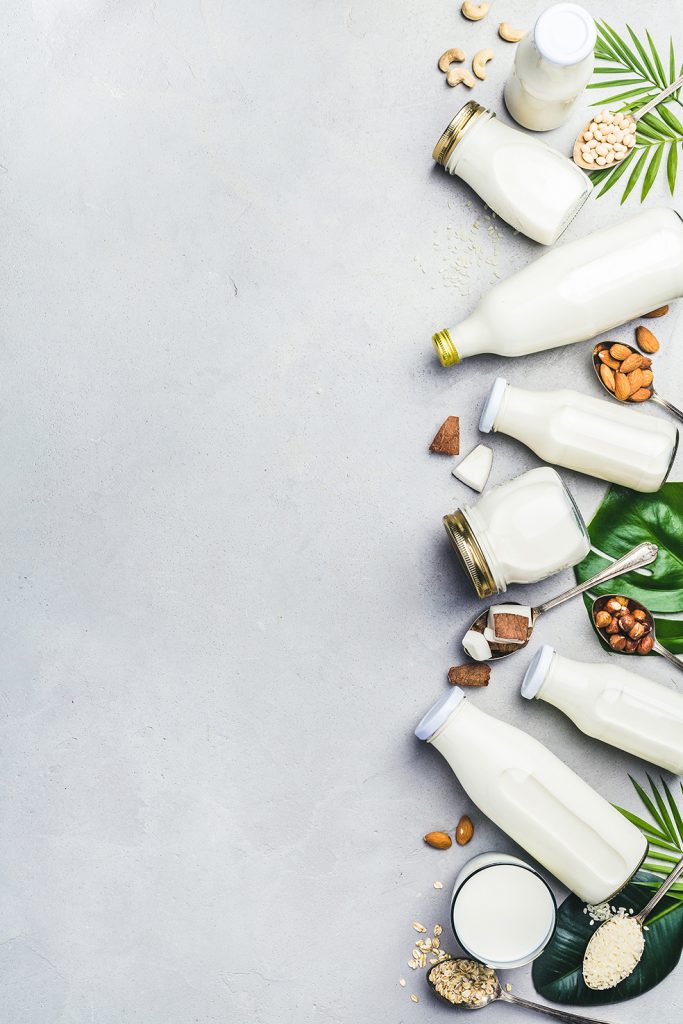
For most of the last century, milk meant something drawn from a cow or a goat. But oat, soy, almond and coconut versions now sit alongside dairy milk on supermarket shelves, driven by lactose intolerance, environmental concerns and simple curiosity about alternatives. What began as a niche choice has become a genuine category with its own science.
The nutritional value of plant based milk varies enormously depending on the base ingredient and how heavily it’s fortified. Soy milk comes closest to dairy in protein content while almond and oat versions trail behind unless manufacturers add extra protein during processing. Reading the label matters more with plant based milk than with dairy, since two cartons of the same variety can differ sharply in nutritional value.
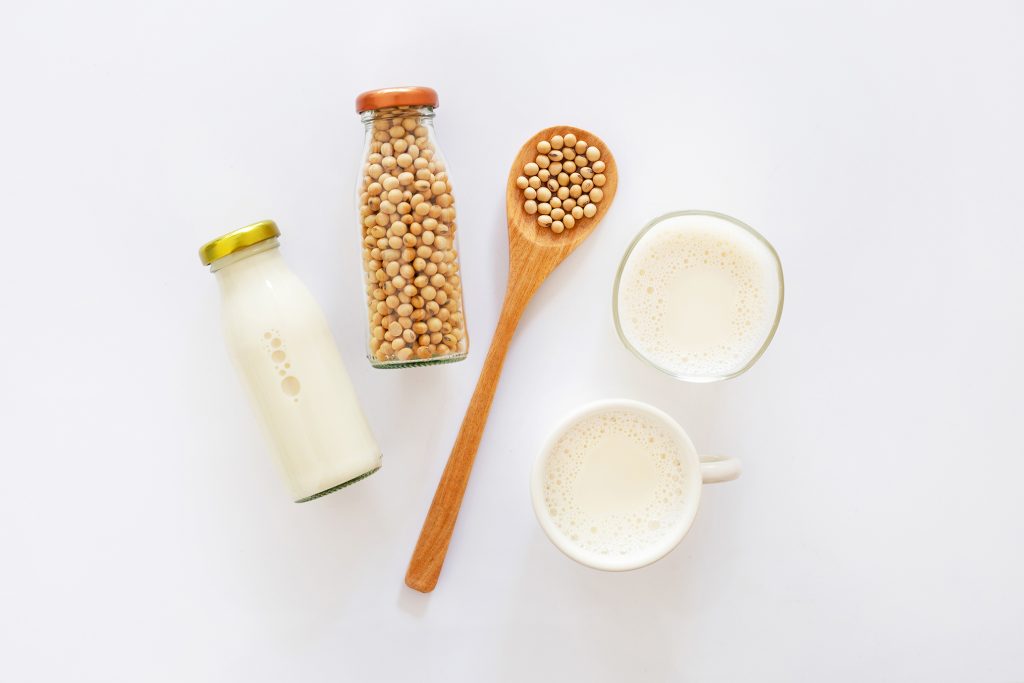
VARIETIES Soy milk carries the most complete nutritional profile among plant options, containing all the essential amino acids along with isoflavones, which are important for heart health.
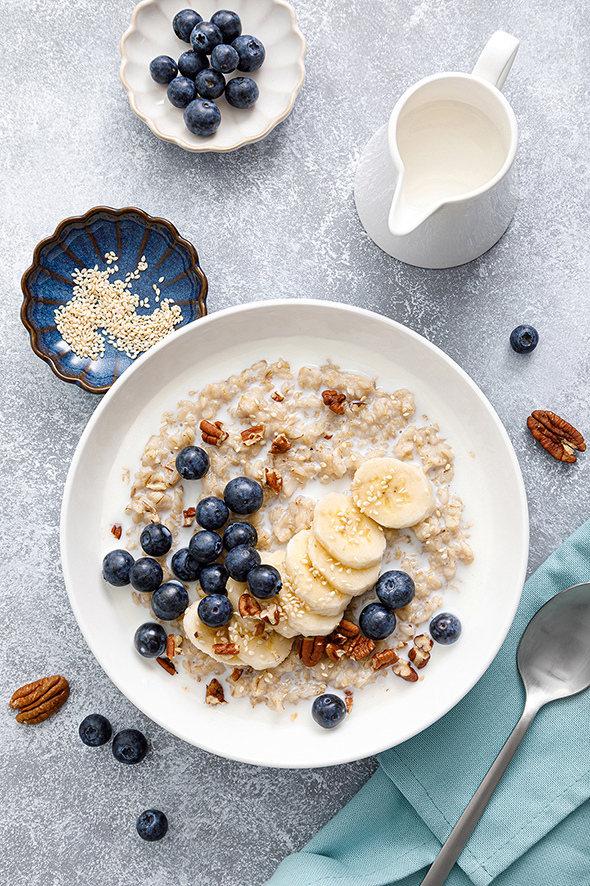
Oat milk contains beta-glucans (the same fibre compound found in whole oats), which support healthy cholesterol levels.
Almond milk is naturally low in calories but also low in protein unless fortified, making it suitable for those prioritising a lighter drink over a protein source.
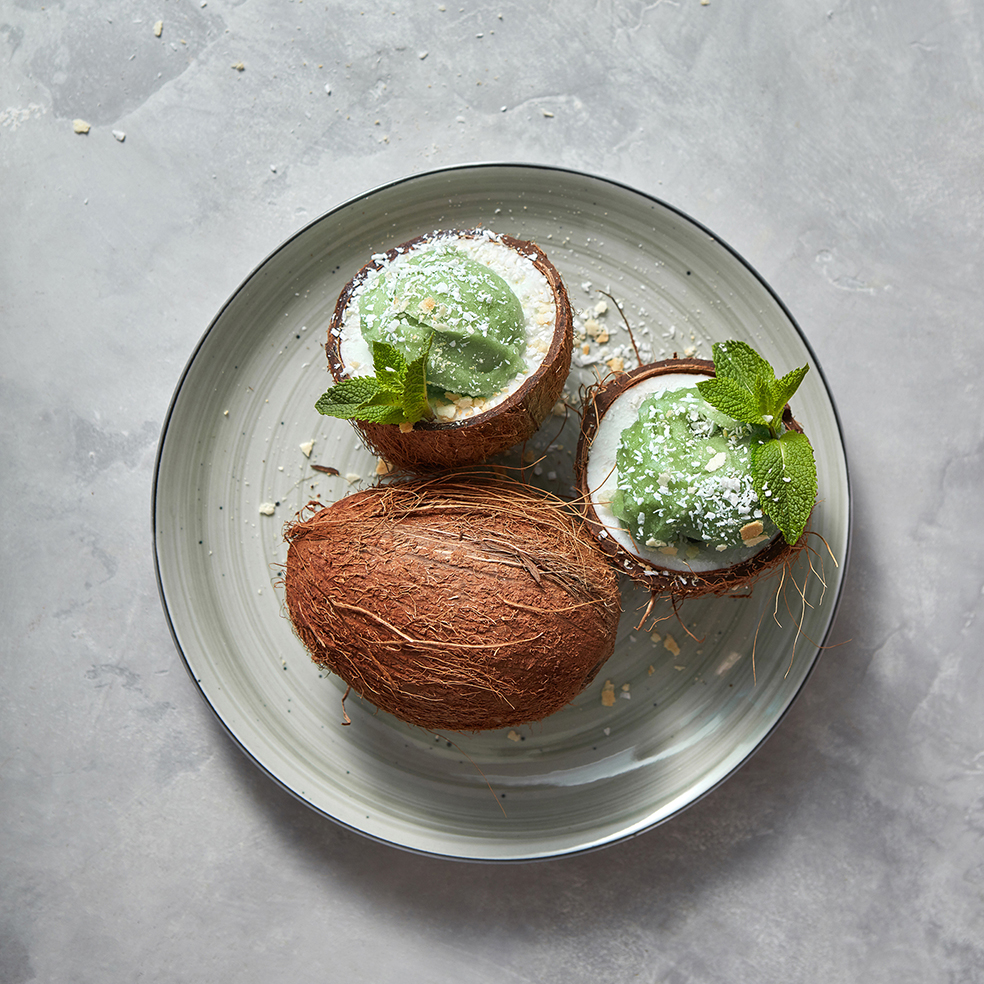
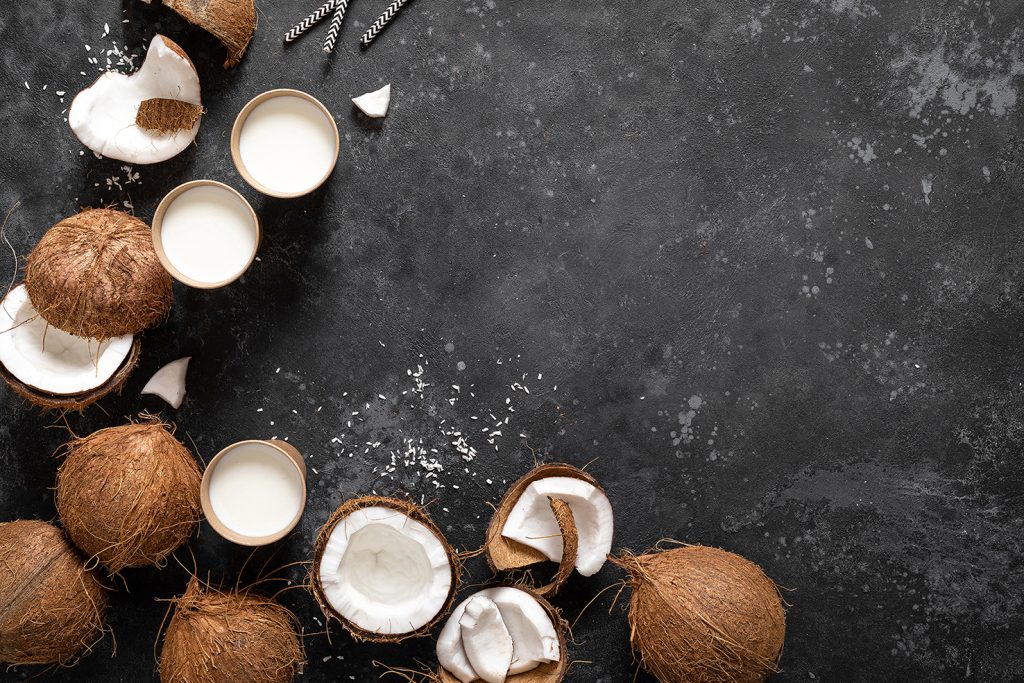
Coconut milk contains almost no protein and leans instead on its fat content – useful in cooking but less so as a daily protein contributor.

FORTIFICATION Because plant milk lacks the calcium and vitamin B12 that’s naturally present in dairy, most commercial versions are fortified to compensate. Calcium carbonate is added to mimic dairy’s mineral content but unlike cows’ milk, its nutritional benefits depend on consistent consumption.
Vitamin D and B12 fortification varies by brand and region – so checking labels remains the only reliable way to know the difference.
OTHER MILKS IN THE KITCHEN
Once treated purely as a dairy substitute for those with lactose and other intolerances, plant based milk has now earned a place in Sri Lankan kitchens on its own terms.
CURRIES Coconut milk remains a staple in Sri Lankan cooking and forms the base for countless curries long before it became fashionable elsewhere as a dairy alternative.
BAKING Oat milk works well in baked goods that require moisture without a strong competing flavour. This makes it a subtle substitute in cakes and short eats.
BEVERAGES Soy or oat milk froths reasonably well for coffee. However, barista blend versions formulated with added stabilisers perform noticeably better than standard cartons.
THE LIMIT OF MILK
Plant based milk is not a straightforward swap for dairy and a few limitations are worth knowing.
PROTEIN Aside from soy, most plant based milk falls well short of dairy in protein content. Relying on it as a primary protein source without adjusting the rest of the diet could leave a nutritional gap.
PROCESS Several types of plant milk undergo more processing than dairy with added gums, stabilisers and sweeteners varying widely between brands. Therefore, it’s important to check cartons for ingredients and sugar content.
TASTE Each variety behaves differently in cooking and coffee – substituting one type for another in recipes doesn’t always produce the expected results.
BEYOND DIETARY ADVANTAGES
Choosing plant based milk, even occasionally, brings advantages that extend beyond personal dietary needs.
DIGESTION For those with lactose intolerance, plant based milk removes a common source of discomfort without requiring a switch to dairy free alternatives that lack flavour.
ENVIRONMENT Producing plant based milk generally requires less water and land than dairy farming – a factor that is increasingly weighed alongside taste and nutrition.
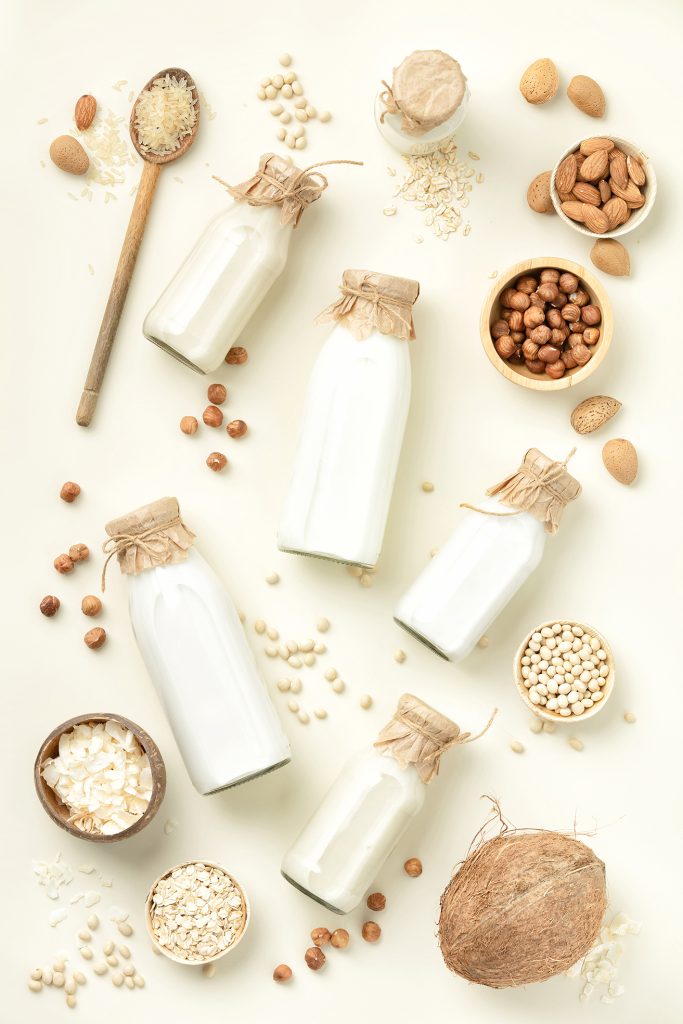
VARIETY Having several types of plant based milk on hand, each suited to a different purpose, allows more flexibility in the kitchen.