Making room for mushrooms
Fazmina Imamudeen affirms that mushrooms contain the most complete proteins
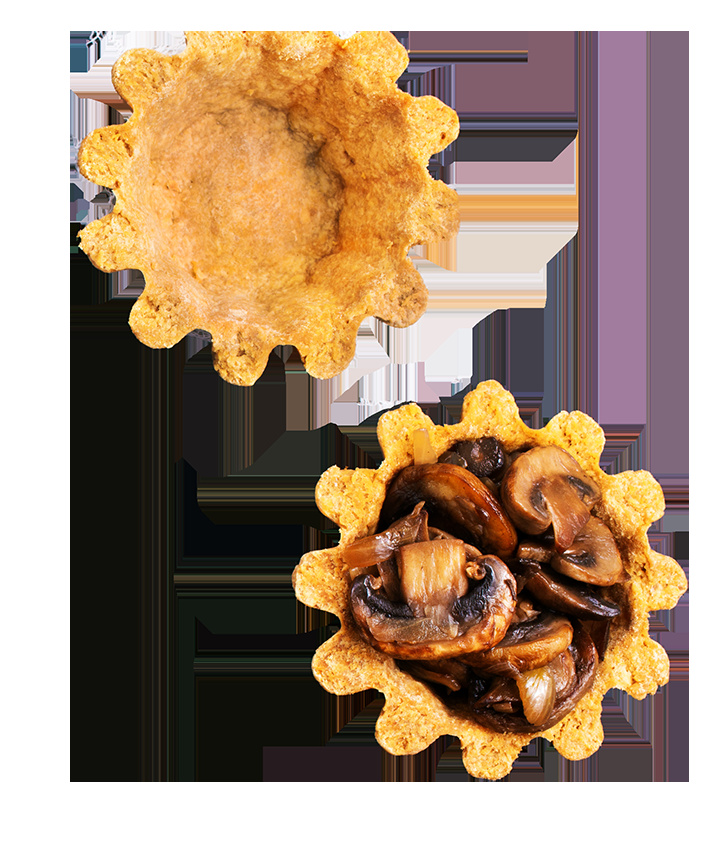
Most conversations about protein focus on meat, eggs or legumes. Mushrooms rarely feature in these discussions, despite being consumed across cultures for centuries. As plant based eating becomes more common, they are drawing renewed attention not only as flavour enhancers but also as a meaningful source of protein.
Unlike many plant foods, mushrooms are low in calories and carbohydrates but relatively high in protein by dry weight – with varieties such as oyster and shiitake providing between two and four grammes of protein for every 100 grammes when cooked. In a varied diet, where proteins accumulate across meals, this amount becomes substantial.
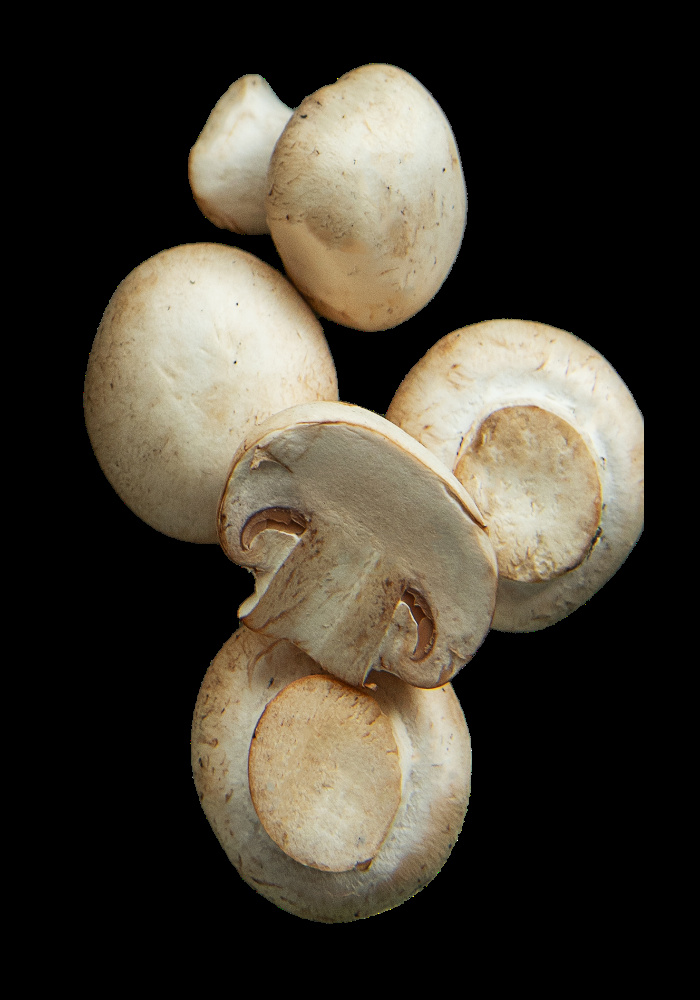
AMINO ACIDS Mushrooms contain all nine essential amino acids. This makes them one of the few plant sources with a complete amino acid profile, which is comparatively rare among vegetables and closer to animal proteins in terms of biological utility. Beta-glucans promote gut health and help regulate immune response while ergothioneine, an antioxidant uniquely concentrated in mushrooms, offers cellular protection that most other foods can’t provide.
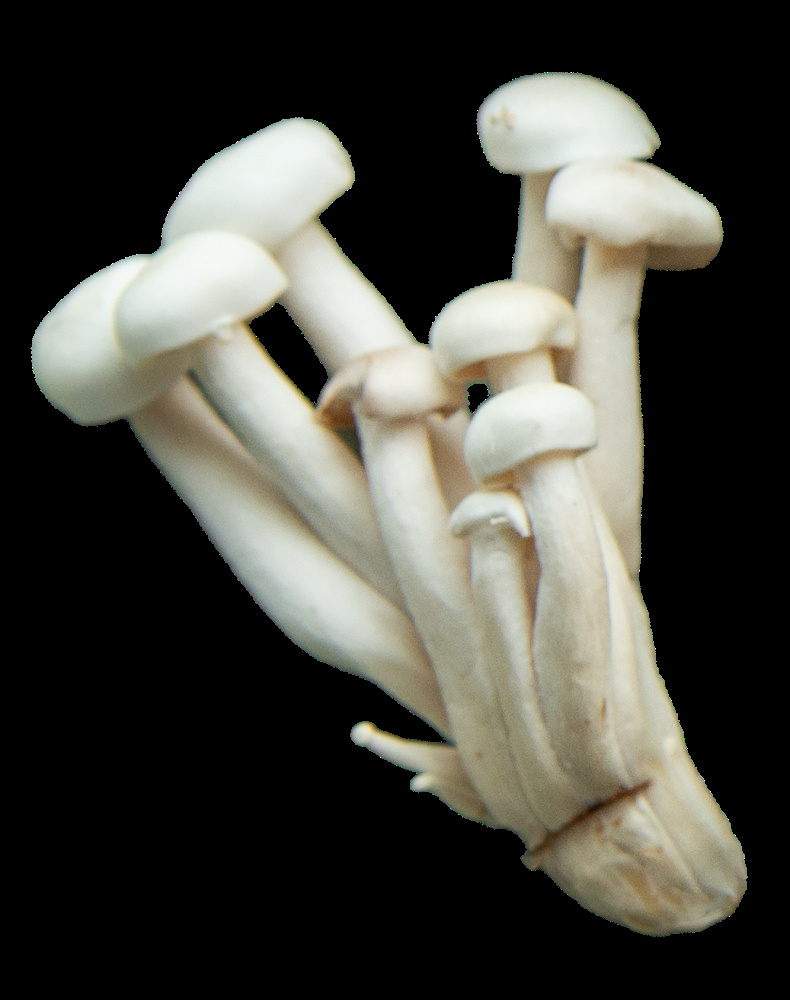
VARIETIES Protein content varies across species. White button mushrooms, which are the most widely available, offer a modest but consistent contribution. Oyster mushrooms are among the highest in protein and have a meaty texture that makes them suitable for dishes where animal protein would otherwise appear. Shiitake mushrooms combine reasonable protein levels with notable immune supporting properties. And lion’s mane is gaining recognition for both its nutritional and cognitive benefits.
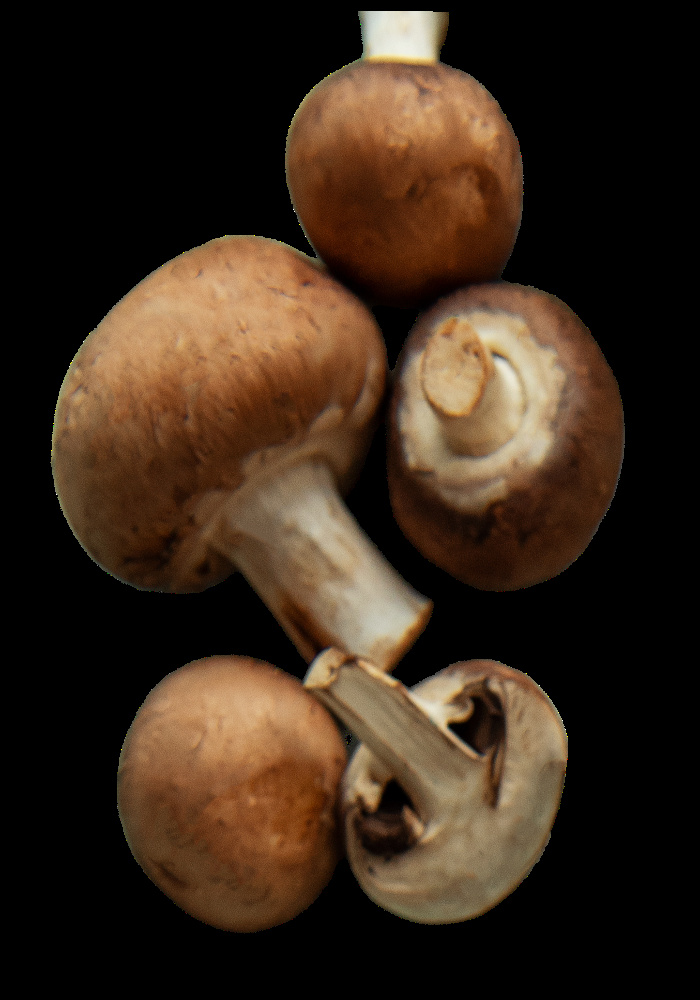
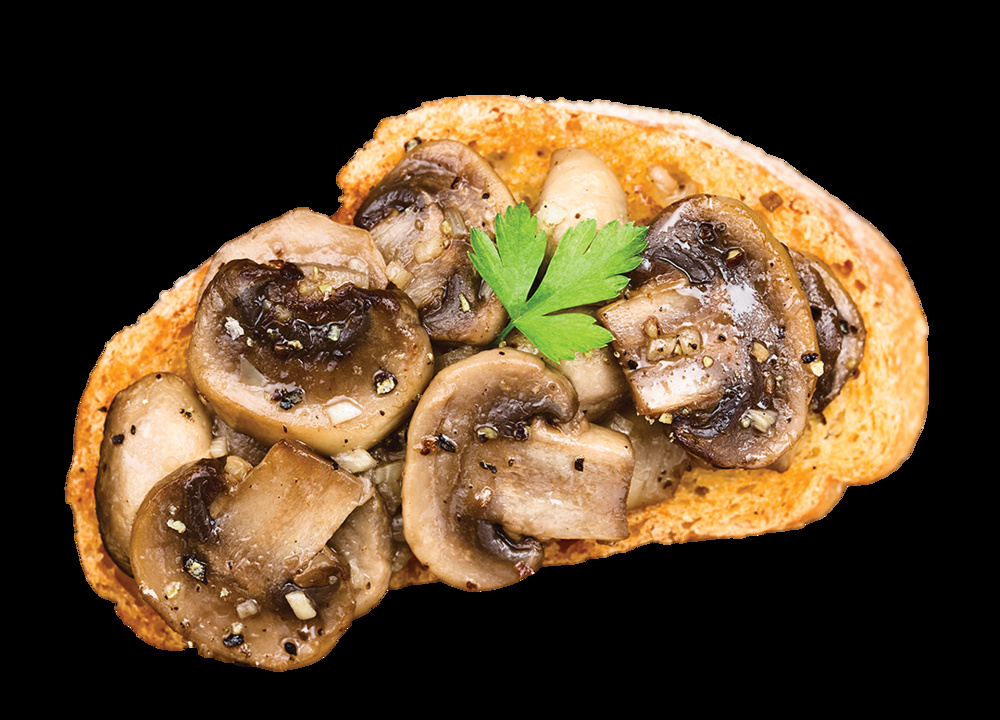
Raw mushrooms contain chitin, a tough structural compound that resists digestion. Cooking breaks this down and considerably improves nutrient absorption. Roasting, sautéing or simmering increases bioavailability and nutritional efficiency.
MUSHROOMS IN THE KITCHEN
Though mushrooms are common in South Asian cooking, they’re rarely valued for their protein content. Treating them as a primary ingredient rather than a garnish changes both the nutritional profile and character
of a meal.
CURRIES Oyster and button mushrooms tempered with mustard seeds, curry leaves, and green chillies pair naturally with rice or roti and require no meat for the meal to feel complete.
BROTHS Dried shiitake mushrooms
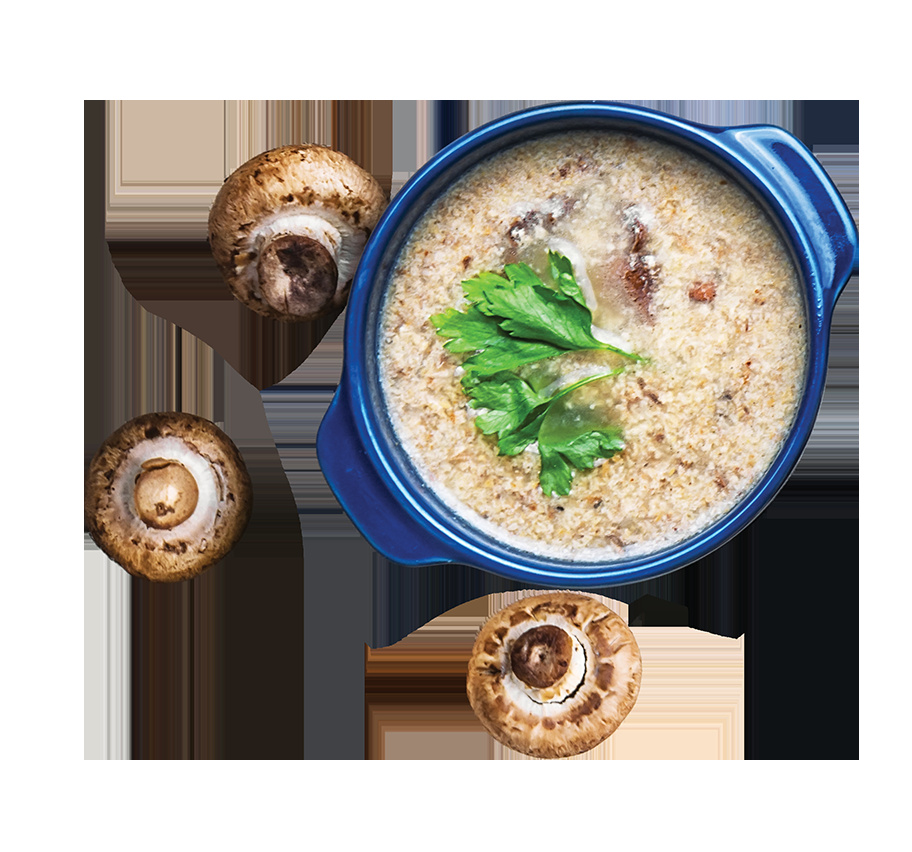
added early to a simmering pot deepen
the flavours while quietly increasing the protein content. This technique requires
no adjustment to an existing recipe.
GRAINS Sliced mushrooms folded into a rice or quinoa dish during the final minutes of cooking absorb seasoning well and add texture without overpowering the base.
PRACTICAL CHALLENGES
Despite their qualities, mushrooms present some challenges as a protein source.
WATER CONTENT Fresh mushrooms are roughly 90 percent water. The protein present in raw form reduces substantially in weight once cooked, which can make portions appear less nutritious than they are. Measuring nutritional impact by cooked weight rather than raw weight gives a more accurate picture.
COMPLETENESS While mushrooms contain all the essential amino acids, they aren’t as protein dense as eggs, legumes or meat. So they work best as
part of a varied diet rather than
a stand-alone protein source.
AVAILABILITY Varieties beyond button mushrooms aren’t uniformly available in all markets. Oyster and lion’s mane mushrooms, which offer the strongest nutritional profiles, may require sourcing from specialist suppliers in some regions.
BENEFITS OF THE FUNGI
Incorporating mushrooms regularly into meals supports several aspects of health beyond protein intake.
BODY WEIGHT High water content and dietary fibre create satiety with very few added calories. This makes mushrooms useful for meals that should be filling without being heavy.
IMMUNE FUNCTION Beta-glucans and other bioactive compounds in mushrooms support the immune response, and have been linked to reduced inflammation.
VERSATILITY Mushrooms absorb flavour and adapt to most cooking traditions. Including them across a range of dishes makes it easy to raise protein intake without restructuring meals entirely.