Edifice of self-learning
Tharindu De Silva in conversation with Nicola Jayasundera
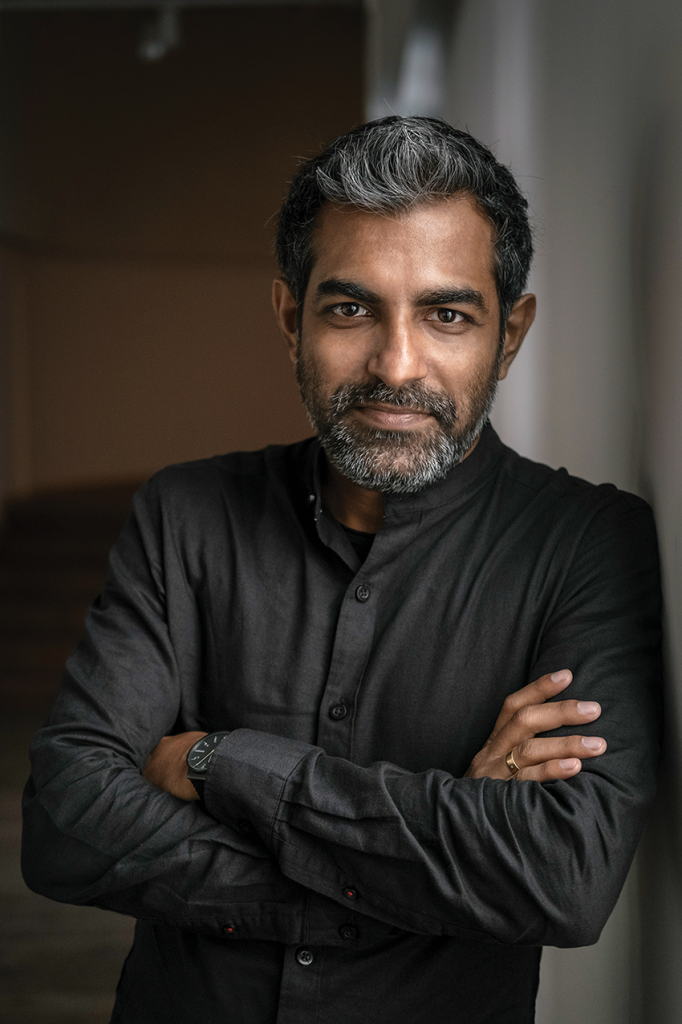
Driven by an innate passion for design from an early stage, he discovered a love for architecture at the tender age of nine. Tharindu De Silva was inspired by his father, a structural designer, and nurtured through hands-on experience in model making, drafting and self-taught digital design.
After choosing an unconventional path, he dropped out of school to pursue his passion, and built a successful design career through self-learning, talent and an entrepreneurial spirit. Today, as a partner at the internationally acclaimed architecture firm Azerozero, he designs luxury villas and boutique hotels, redefining elegance through his philosophy of modest luxury.
He creates spaces that embrace simplicity, authenticity and timeless sophistication while proving that less can indeed be more.
Q: How has technology impacted the design and construction process?
A: In recent years, technology has transformed design and construction possibilities. It has enabled the erection of buildings that would have been impossible only a few decades ago. Technology has also allowed us to maximise the potential of materials and push design concepts to new heights.
However, I feel Sri Lanka has been slow to adopt certain technologies. Many practices that are standard in our overseas projects remain challenging to implement here. Yet, there is a certain beauty to that because it has protected Sri Lanka and cities such as Colombo from becoming soulless urban environments often seen in many developed countries.
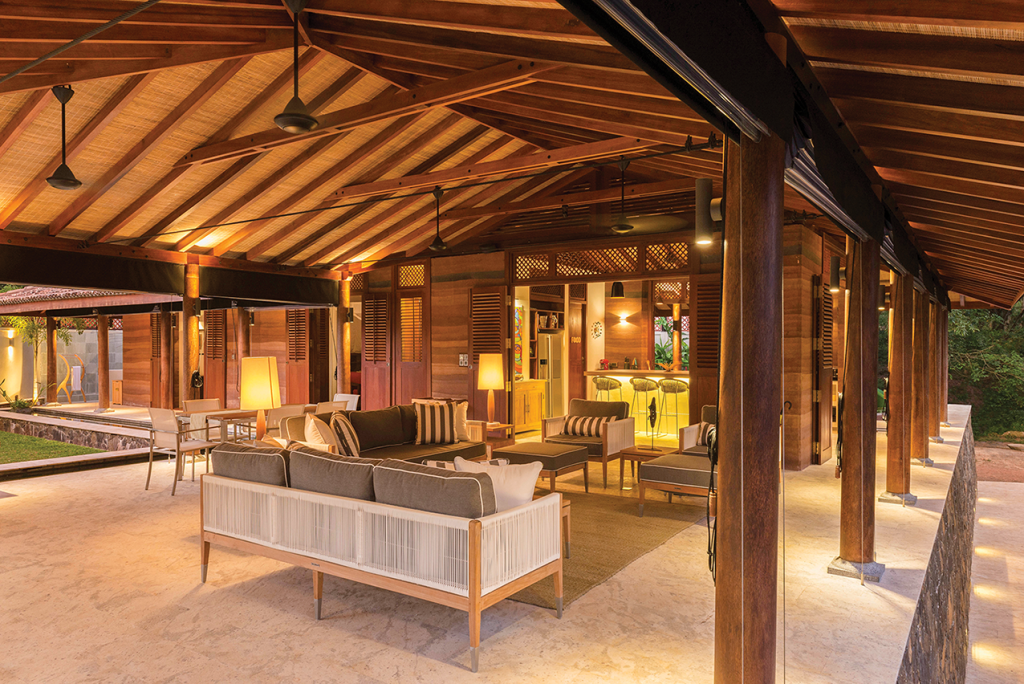
Despite the country’s social and economic challenges, there is beauty in the chaos. There is also value in the fact that we still use traditional building techniques. I like that and so do many of my foreign clients. Authenticity is one of the main reasons they choose to build in places like Sri Lanka.
Q: In your opinion, what are the attitudes and influences of modernism on Sri Lankan architecture?
A: We need to be careful about how quickly we adopt modernism in Sri Lankan architecture. We are an old civilisation, and our building techniques, materials and designs are shaped by centuries of climate sensitive adaptation. While we see great examples of tropical modernism, we also see some poor attempts.
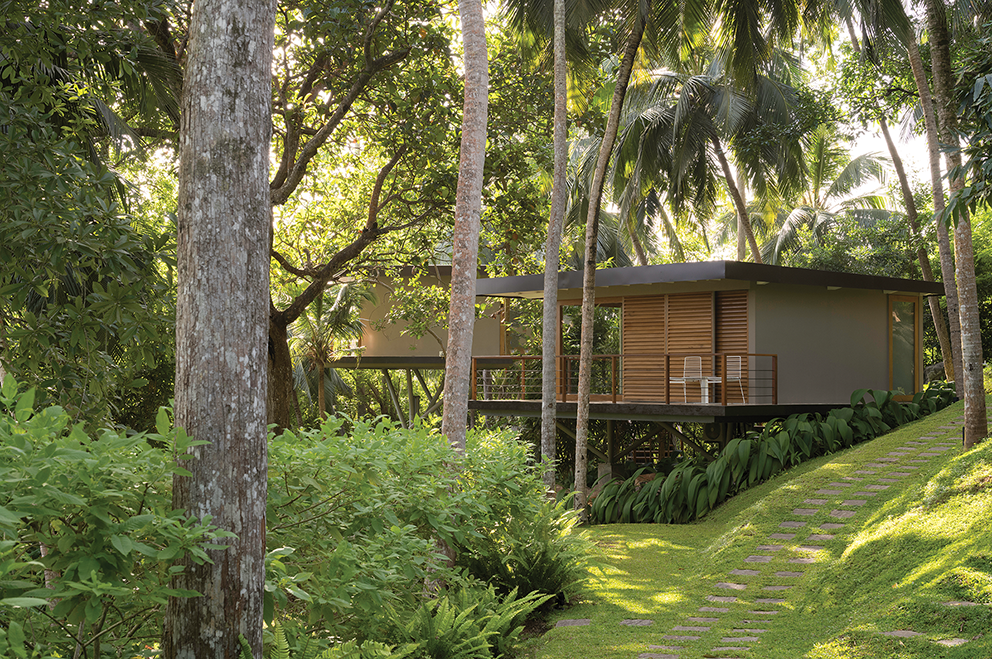
The key is to find a balance between the beauty and practicality of traditional architecture while thoughtfully integrating modern ideas and technologies. Buildings shouldn’t feel alien to this land or appear as if they have been taken from a foreign city and placed in our tropical landscape.
I always say buildings should not scream: “Look at me!” The most beautiful buildings are often those that quietly exist without demanding attention.
Q: Is enough being done to encourage young talent in this field?
A: Sri Lanka is a nation of talented and resilient people who are capable of creating remarkable things with limited resources. However, I feel the architectural profession and design sector can be too protective, limiting opportunities for creative minds to flourish.
I was fortunate to gain experience overseas and bring those skills back to Sri Lanka. But the current path remains largely limited to formal education and professional qualifications with few alternative routes.
I believe there should be more opportunities for creatives to develop and showcase their work beyond the conventional system. And I am proof that design and architecture can be self-taught, and that talent, creativity and dedication can lead to meaningful projects. Qualifications are important but creativity and the ability to execute are equally valuable.
Q: Colombo’s skyline is changing dramatically. What are your thoughts on this?
A: Change and progress are important but if they’re left unchecked, they can have a negative impact. Colombo is undergoing rapid transformation and moving faster than policymakers and infrastructure can keep up with. The skyline looks fine today but we need to consider what it will look like in 20 years.
Many of my projects are in the south, and places such as Ahangama and Hiriketiya are showing the impact of rapid, unregulated development driven by tourism. Growth shouldn’t come at the cost of losing what makes Sri Lanka special.
A few million visitors a year is manageable and sustainable but uncontrolled growth risks affecting the calm environment that attracts people to Sri Lanka. Colombo also must grow sustainably, ensuring that its skyline tells a positive story in the years to come.