
The fall of Colombo
Athula Amarasekera in conversation with Nicola Jayasundera
Inspired by childhood travels across Sri Lanka, his passion for architecture grew from an early fascination with place, structure and ancestral ingenuity. Beginning with a foundation in structural engineering, Athula Amarasekera later embraced architecture as a way to shape meaningful spaces.
Today, his work blends function with vision by creating adaptable and practical spaces that serve as platforms that others can bring to life.
Q: What are the major obstacles to the development of architecture, design and construction?
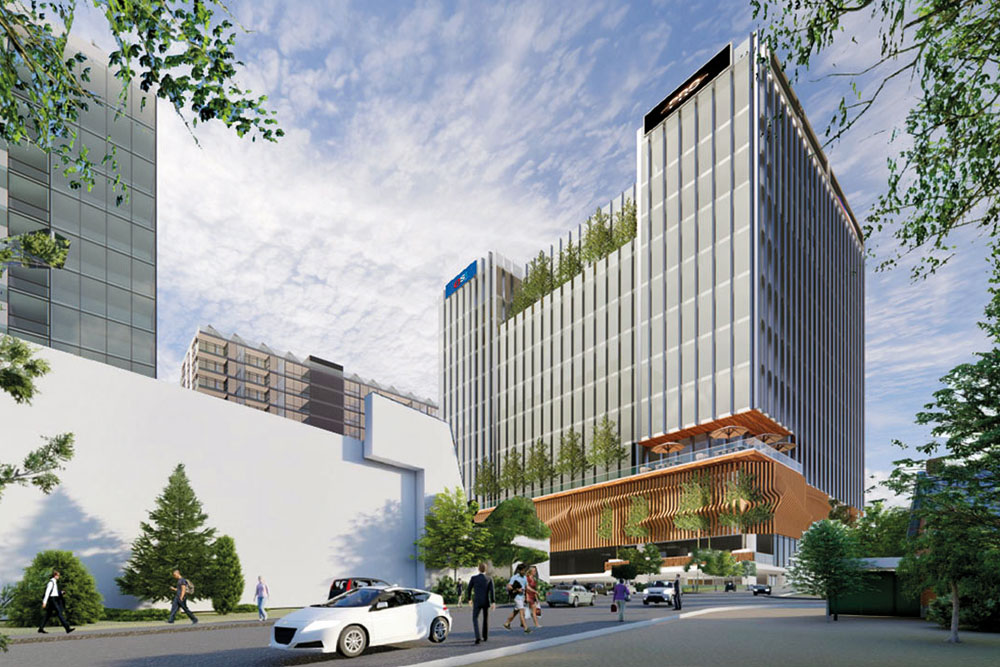
A: From 2010 to 2020, we created nearly half the high-rises in the Union Place and Gangaramaya Temple area. Today, that type of development is no longer possible in Sri Lanka because the focus has shifted to regional markets such as India and Australia.
Construction costs in Sri Lanka are extremely high due to poor fiscal and administrative policies, which make large-scale developments unviable. In fact, the cost of construction here is almost double that of Thailand and 2.5 times higher than in India – despite similar income levels and hotel rates.
If developments aren’t feasible, opportunities for architects and designers naturally disappear.
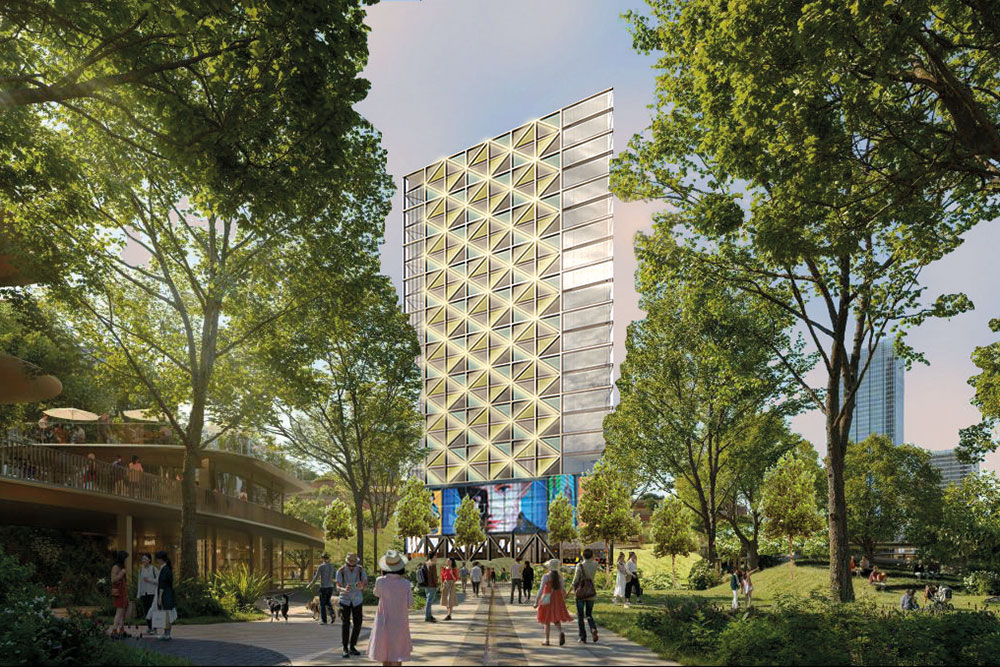
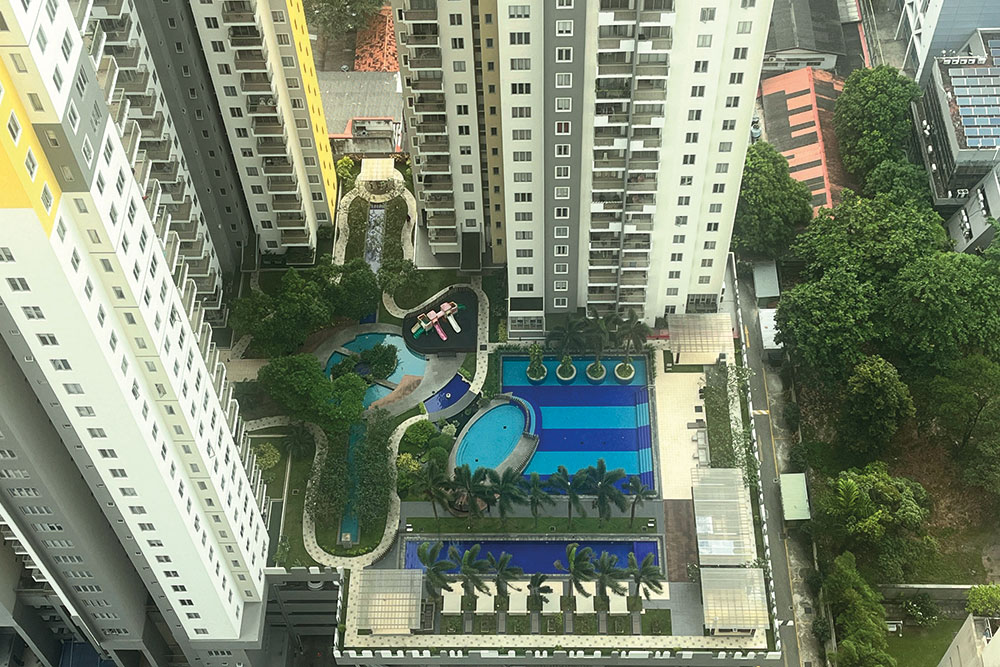
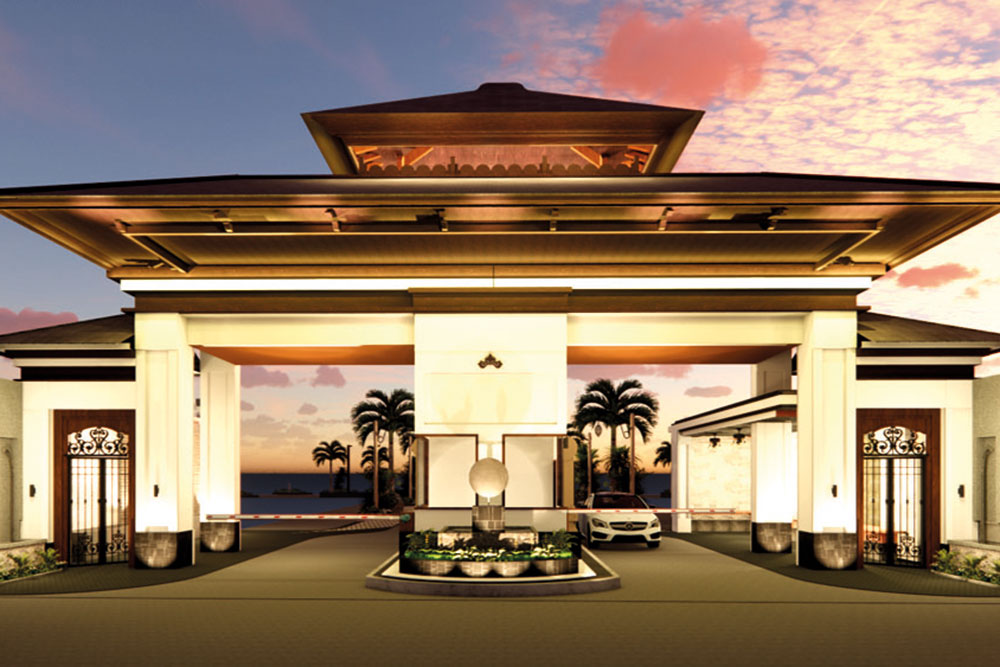
Q: What’s your view on the ongoing urban development?
A: Sadly, we’ve seen a drastic decline in urban development. When Singapore was expelled from Malaysia in 1965, then prime minister Lee Kuan Yew was asked what country and city he aspired to emulate. His answer was Ceylon and Colombo – because Japan was out of reach and we were the second-best: green, well planned and orderly.
Fast forward to 2025…
I attended the Asia-Pacific Best Cities report launch at the Centre for Liveable Cities in Singapore. Colombo is now ranked 66th in the Asia-Pacific for liveability, lovability and prosperity. That’s a dramatic decline!
The challenge we now face is how to reverse this slide and rejoin the ranks of dynamic cities such as Kuala Lumpur and Bangkok. Singapore has surpassed us with one of the world’s highest per capita incomes.
We won’t be able to catch up but can still aim to build modern liveable cities through proper planning and governance.
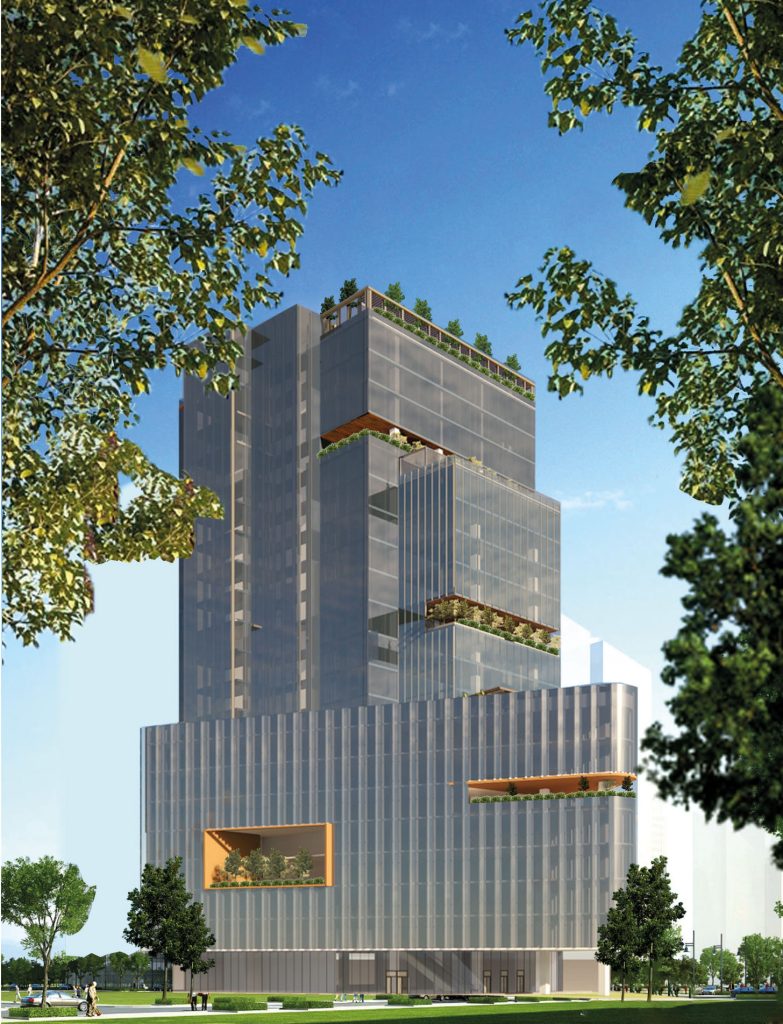
Q: In your view, how is Sri Lanka faring in terms of sustainability?
A: If we’re ranked 66th in Asia for liveability, lovability and prosperity, it’s a clear indicator of systemic failure. Our town planning is unsustainable because fragmented developments, rampant land subdivision and road based expansion contribute to environmental degradation and increased fuel use.
Instead of engineered timber, we still specify raw timber. We lack a modern national physical plan unlike most other countries in the region. Coal ash isn’t efficiently reused in construction, and monopolies stifle growth in renewable energy such as solar and wind. Overall, Sri Lanka ranks among the worst in Asia when it comes to sustainable development.
Q: What are the current design ideologies that will drive the future of architecture and design locally and internationally?
A: Globally, the focus has shifted towards creating user centric spaces rather than stand-alone landmarks. Mixed use developments, particularly of the vertical kind, are becoming the norm.
People want cities that are vibrant 24/7. Designs now prioritise experience, convenience and safety. There’s a shift towards prefabricated and modular construction, driven by rising labour costs and the reluctance to work in ‘dirty’ industries such as construction.
New design ideologies emphasise buildability, factory production and efficient construction, to keep pace with evolving urban lifestyles and economic demands.
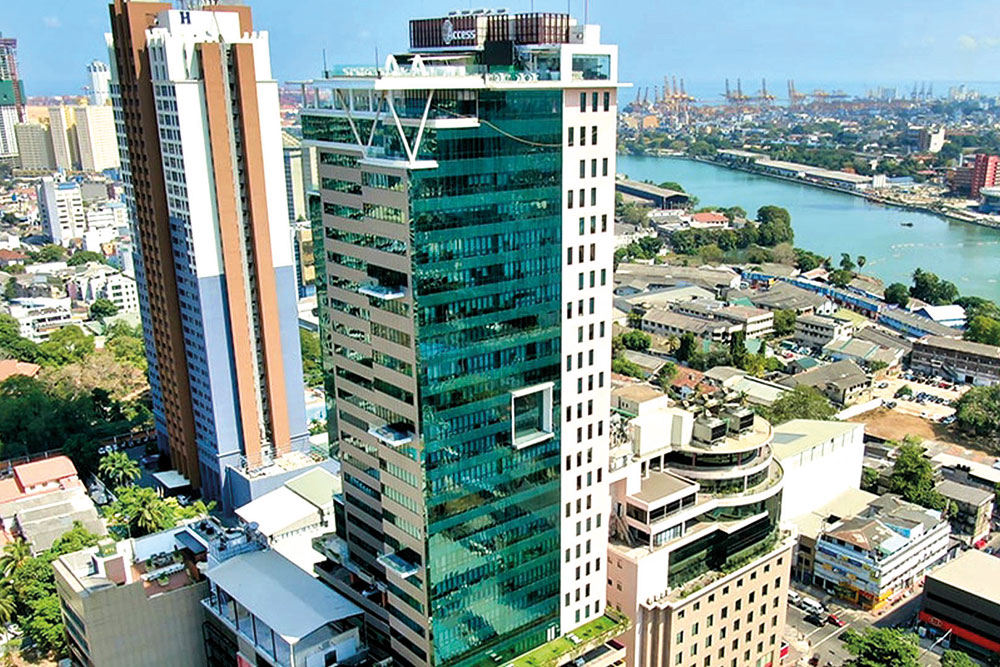
Q: The skyline of Colombo is changing dramatically. What are your thoughts on this?
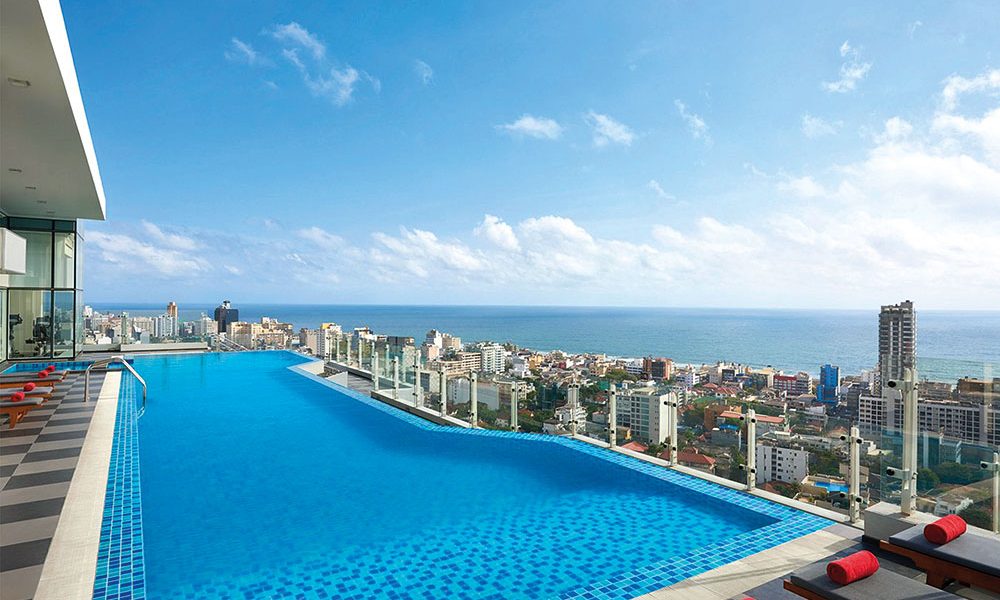
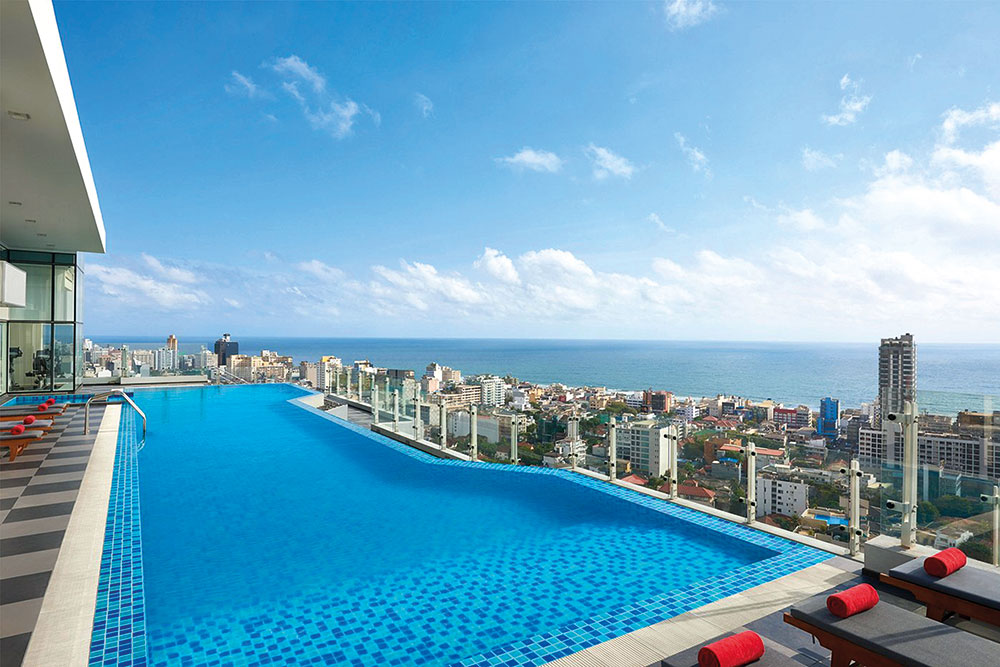
A: We played a major role in initiating much of Colombo’s modern skyline. It took years of effort to convince investors and fight for planning waivers from the Urban Development Authority (UDA). That skyline is the result of collaboration but it’s still incomplete and lacks integration.
It’s currently a disconnected cluster of buildings. What we need is a holistic urban environment – i.e. mixed use zones, public amenities, vibrant street life and inclusive spaces for everyone, from hawkers and food trucks to performance arenas.
The lack of an integrated transport system is another serious flaw. We need to move beyond isolated megaprojects and focus on urban planning that makes Colombo a place to live, work and play sustainably.
Our goal should be to re-enter the top 20 cities in Asia – not languish in 66th place.