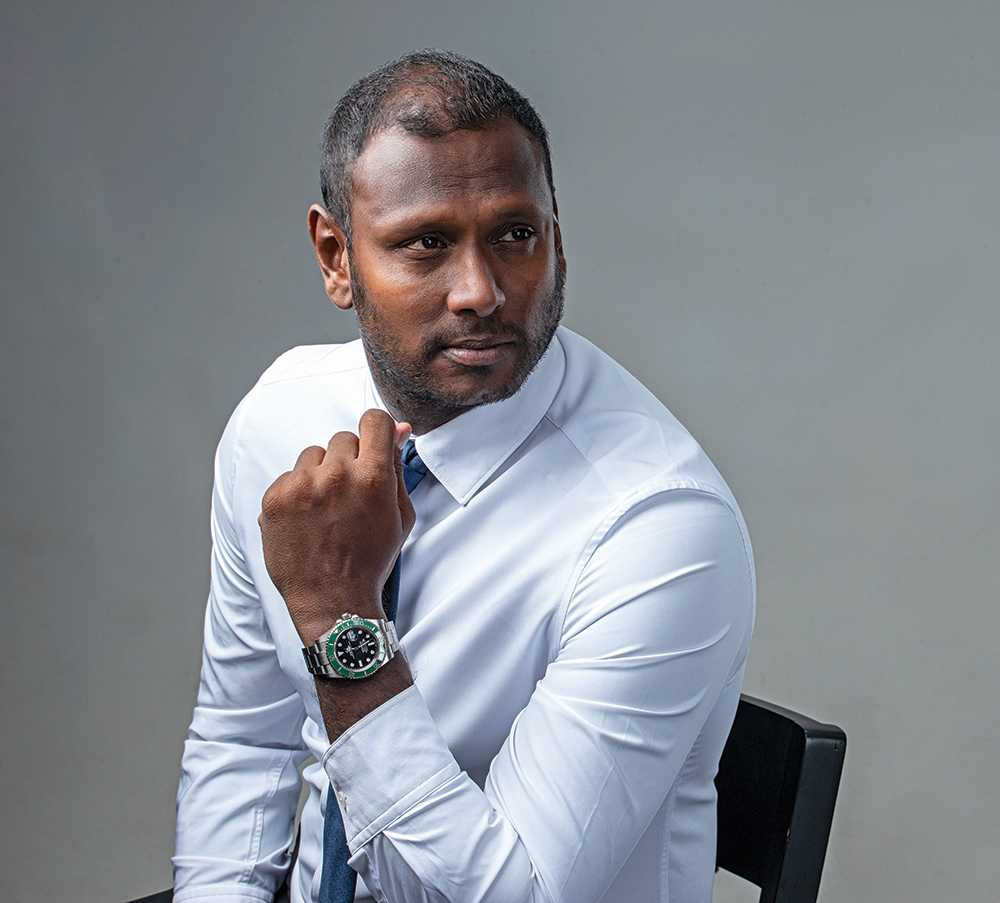
ANGELO DAVIS MATHEWS
Angie’s Test Goodbye
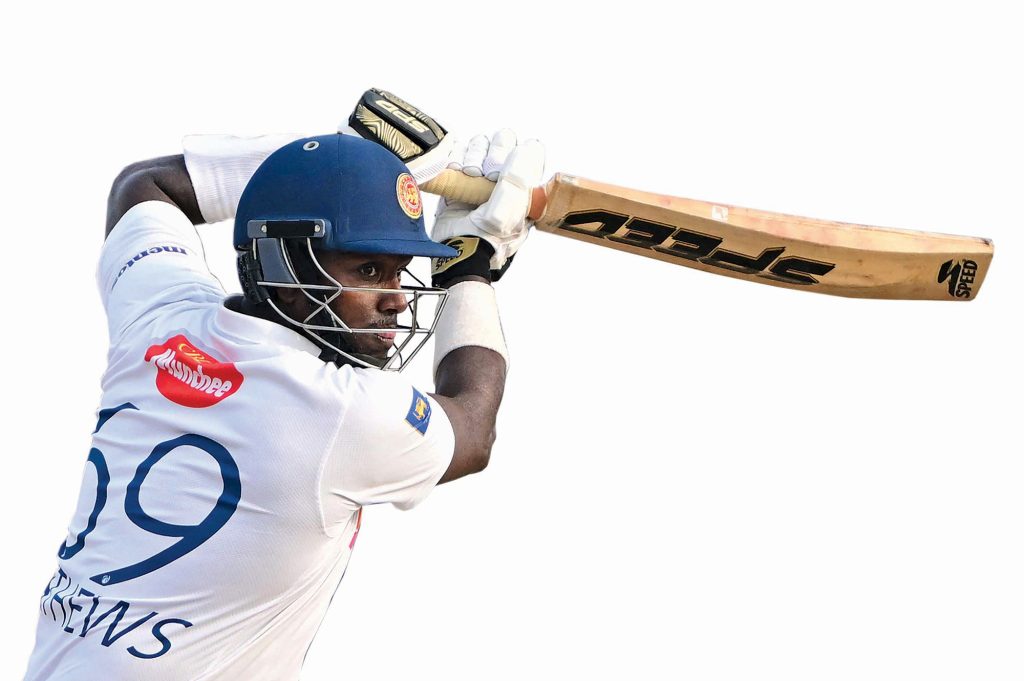
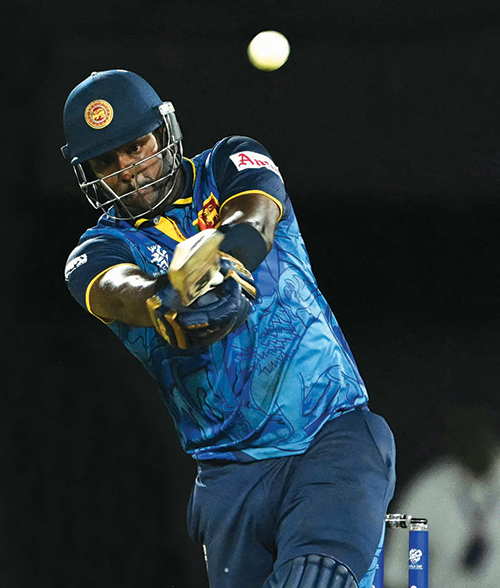
A robust batting technique, nagging consistency with the ball, athleticism in the field and an imperturbable temperament made Angelo Mathews one of Sri Lanka’s most prized assets, although persistent injuries and several standoffs with the Sri Lankan board prevented him from achieving his full potential.
In limited overs cricket, Mathews’ all-round skills have been indispensable. When he pulled a quad in the World Cup semifinal in 2011, it forced three changes to the XI that played in the final, as the team strove for the balance he could single-handedly deliver.
ESPNcricinfo
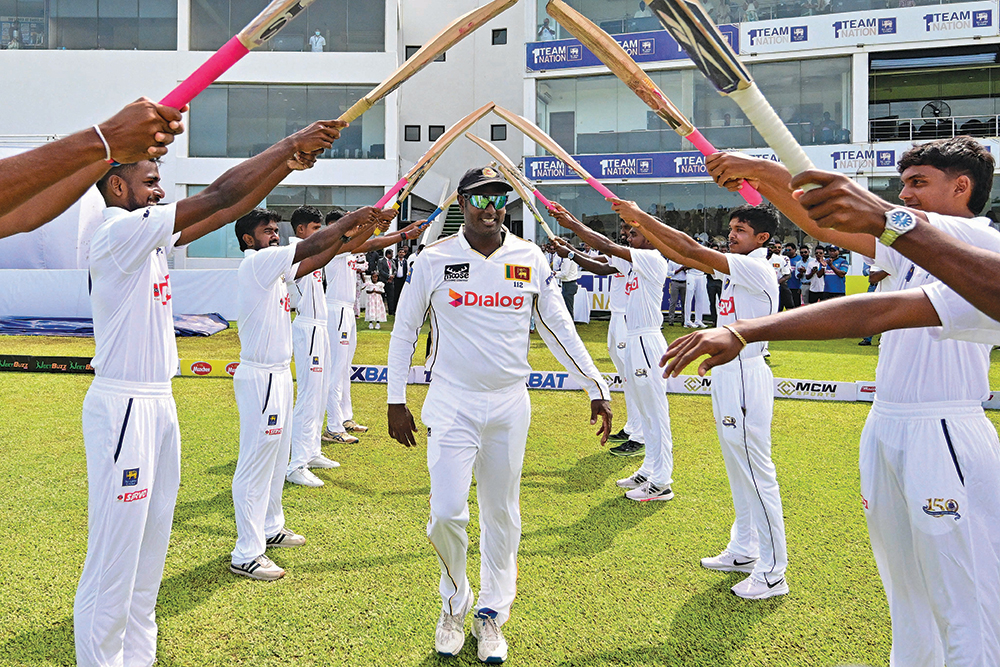
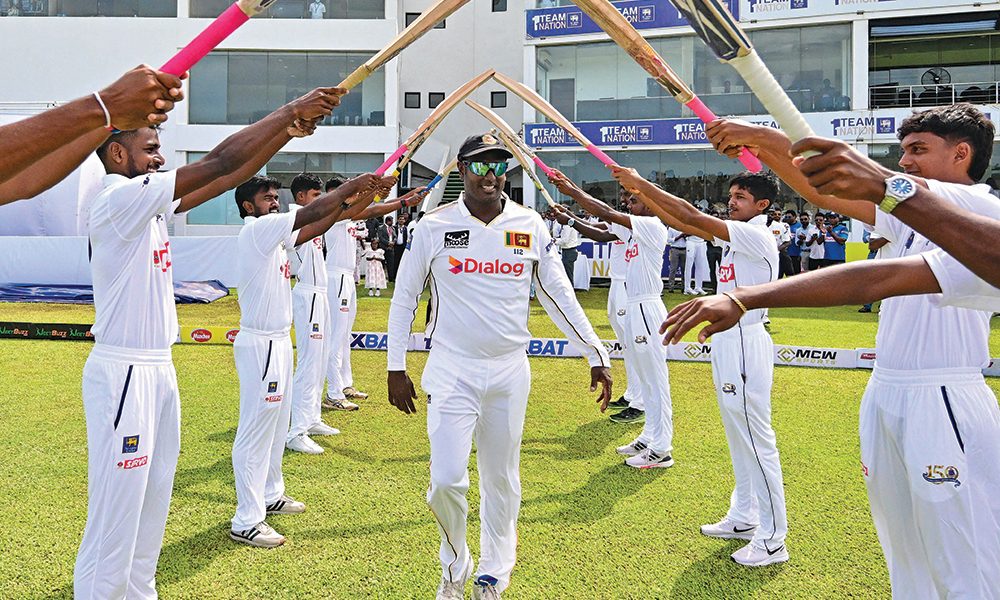
On a humid afternoon in June in Galle, Angelo Davis Mathews walked through a guard of honour for his final Test match in what was a moment 17 years in the making. It was the legend’s last walk to the crease in a Test career defined by grit and an unyielding will to fight to a finish.
From school prodigy to national captain and injuries to comebacks, Angelo’s journey has been the heartbeat of Sri Lankan cricket for well over a decade.
In a heartfelt message to fans and teammates, Mathews says: “With a grateful heart and unforgettable memories, it is time for me to say goodbye to the most cherished format of the game of international Test cricket.”
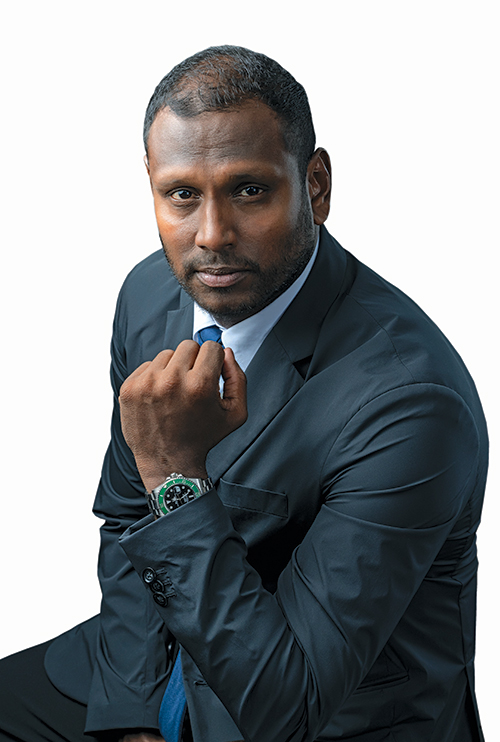
This decision brought down the curtain on an illustrious red ball journey but left behind a legacy across all formats of the game.
Affectionately called ‘Angie’ by his teammates and fans alike, he has been the linchpin of Sri Lankan cricket – a classy and dependable middle order batter, handy bowler, astute leader and mentor through the toughest of times.
Angie’s retirement marks the end of an era. As one cricket commentator notes, his exit “will bring to an end Sri Lanka’s last cricketer of world-class stature.”
Mathews’ announcement is laced with gratitude when he mentions that “the past 17 years of playing cricket for Sri Lanka have been my highest honour and pride. Nothing can match that feeling of patriotism and service when one dons the national jersey.”
He thanked the thousands of cricket fans who have been there for him through his highs and lows. And Mathews emphasised that while he’s bidding adieu to the Test cricket, he remains available for ODI and T20I selection “if and when my country needs me.”
We hope to see him play a part in one (or both) of the two white ball World Cups scheduled for next year (partly here at home) and the year after!
Ever the team man, Angelo says he felt it was the right moment to hand over the torch, asserting that “now seems like the best time to make way for a younger player to take over the mantle and shine for our nation.”
And with those words, the 38-year-old brought to a close a remarkable chapter in Sri Lankan cricket, leaving fans to recall and relish his monumental contributions in whites.
Mathews not only contributed runs and wickets but also led Sri Lanka with distinction during challenging times. Angie was appointed Sri Lanka’s captain across all formats in 2013 when he was only 25 and inherited the mantle from the legendary Mahela Jayawardene.
Over the next several years, Mathews proved to be a calm and shrewd leader. In Test cricket, he captained Sri Lanka in 34 matches between 2013 and 2017, and his tenure yielded 13 victories – making him the country’s third most successful Test captain.
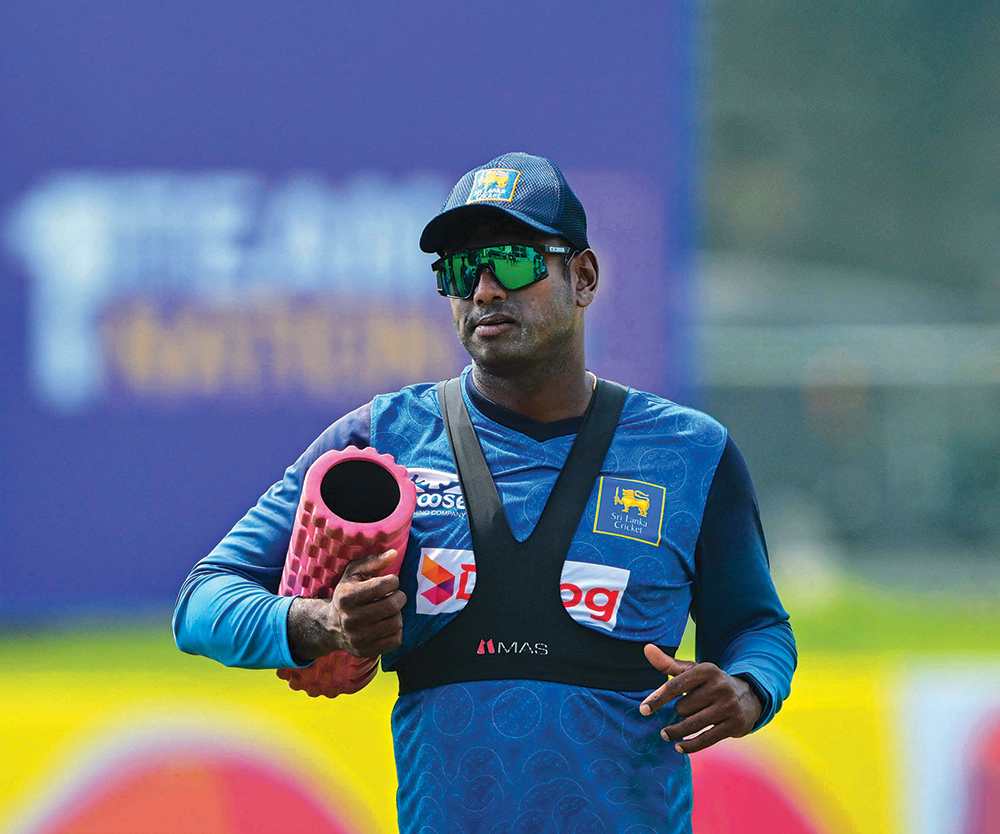
One of those wins was the historic series triumph in England in 2014 – a feather in the cap of his captaincy career.
Under Mathews’ leadership, Sri Lanka also enjoyed a 1-0 Test series win at home against Australia in 2016 and he presided over memorable wins around the world.
In white ball cricket, his leadership milestone came in 2014 when he guided Sri Lanka to victory in the 2014 Asia Cup where the islanders were was unbeaten and defeated Pakistan in the final.
That same year, Sri Lanka was also crowned World T20 champions, making 2014 one of the most successful years in the country’s cricketing history – Angelo Mathews was central to both triumphs.
However, leading a team in transition came with its trials and tribulations. After 2015, Sri Lanka struggled to replace the experience of their retired giants; and as captain, Mathews often had to lead an inexperienced side. There were tough series losses and in 2017, he stepped down from the captaincy after a disappointing home ODI series.
Nevertheless, he worked on his fitness, came back strongly as a senior player and continued to contribute under new leadership. Angelo’s willingness to bat anywhere in the order and mentor young captains exemplified his selflessness, and his steady presence was invaluable as Sri Lanka rebuilt its squad across the three formats.
As news of Mathews’ Test retirement broke, tributes poured in from teammates, opponents and fans alike – a reflection of the respect he has earned in the cricketing world.
In an official statement, Sri Lanka Cricket (SLC) lauded him as a true servant of Sri Lanka’s Test side, and thanked Angelo for “17 years of unwavering dedication, leadership and unforgettable moments in the red ball format.”
Former teammates and coaches also shared their admiration. Jayawardene, under whom a young Angelo made his debut, hailed his contributions, calling him one of Sri Lanka’s finest all-round players – and a “leader by example” both on and off the field.
Another Sri Lankan legend, Kumar Sangakkara – who shared the crease with Angelo for many years – praised Mathews’ composure in high-pressure situations. Sangakkara said it was a privilege to have played alongside and captained with him.
He recalled seeing Angie walk in as a 19 year old who held his own against some of the world’s best cricketers, didn’t look out of place and later went on to lead Sri Lanka with great success.
In his own farewell note, Mathews was characteristically full of gratitude. He thanked God, his parents, wife and children, extended family and close friends who always believed in him, and stood by him through thick and thin.
Angelo signed off his message by affirming: “A chapter ends but the love for the game will always remain.” Those words capture the emotional core of his cricketing story – and even as he steps away from the Test stage, his passion for cricket endures.

So as Angelo Davis Mathews walked into the sunset of his Test career, Sri Lanka reflected on a player who gave his all for the flag. He was the teenager who debuted amid high expectations, the young captain who led in turbulent times and the seasoned player who could win games single-handedly in his 30s.
Beyond the metrics, it’s the manner in which Angelo carried himself and uplifted his team that will always be remembered. Whether it was marshalling a tail end partnership in a hostile stadium or bowling a final over with a beat-up body, Mathews exemplified both courage and commitment.
In a cricketing era that saw Sri Lanka go through many ups and downs, he was a constant – the steady hand that guided the ship.
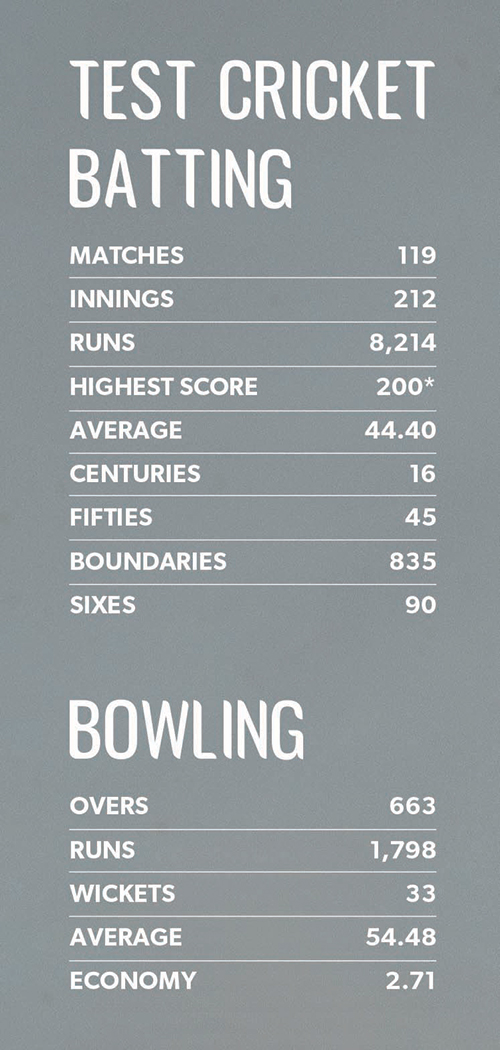
What’s more, Angelo Mathews is only one of five cricketers to have played in more than 100 Tests; he follows the legends Jayawardene (149 appearances), Sangakkara (143) and Muttiah Muralitharan (132) with 119 games in whites.
And indeed, he is the last of Sri Lanka’s legends to hang up his boots – in the red ball format, at least. Angelo Mathews featured as one of the legends of Sri Lankan cricket in LMD’s one of a kind coffee-table book – Lions of Sri Lanka – published in 2019, which commemorated the nation’s 30 greatest cricketers since 1932.
Thank you Angie, for the unforgettable memories: the gritty knocks, last over sixes, match saving spells, years of inspiring leadership and last but not least, for playing the gentlemen’s game like you have done.
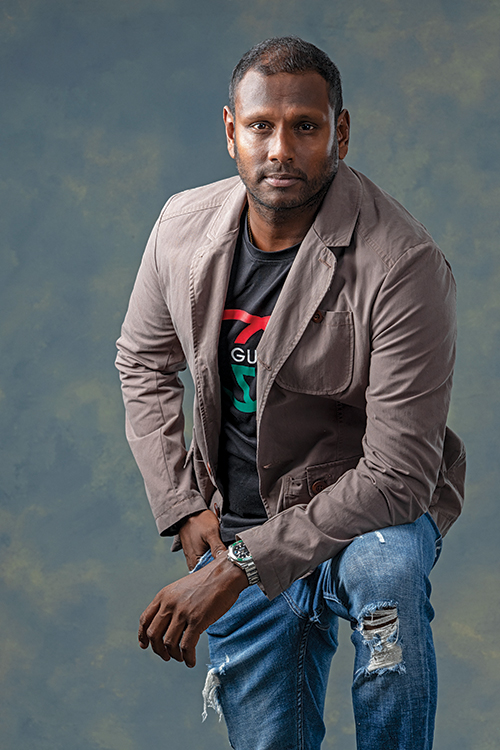
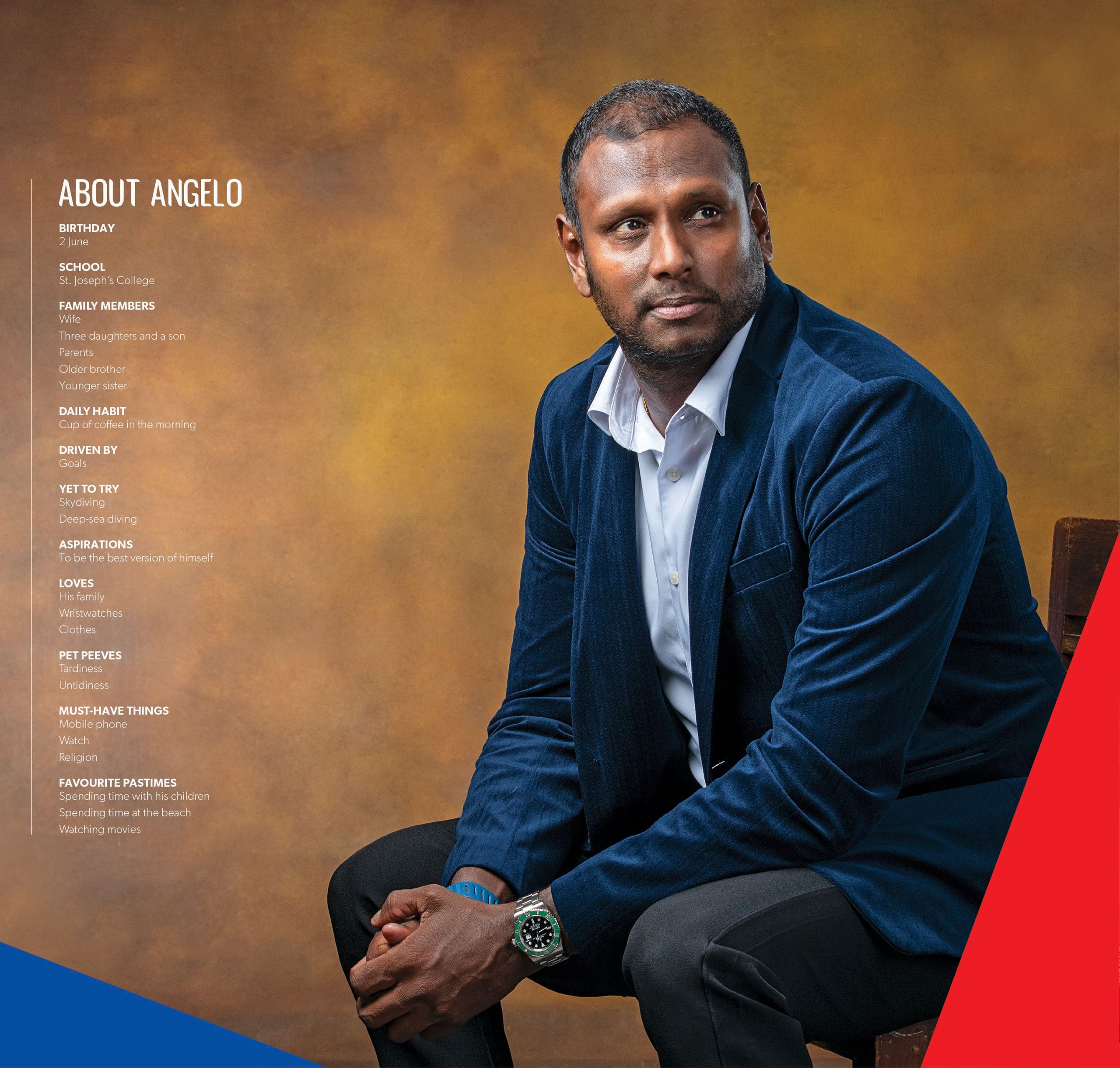
As the cricketing world salutes his remarkable journey, we sat down with Angelo Mathews to talk about what lies ahead – and to get to know the man behind the legend.
– Compiled by Tamara Rebeira
PITCH PERSPECTIVES
Q: You’ve enjoyed an incredible journey in international cricket. What moments stand out to you the most?
A: The 2010 ‘Melbourne miracle’ where we clinched a memorable ODI win against Australia remains one of the most special moments in my career. Winning the ICC World Twenty20 in 2014 was another unforgettable milestone.
That same year, leading the team as captain of our first ever series victory in England was a moment of immense pride for the team and me. And in 2016, whitewashing Australia in a home Test series for the first time was truly a historic achievement.
Q: What has been the most challenging phase of your career to date?
A: Throughout my cricketing career, every day presented a challenge. Whether it was waking up early for a game or practice session, the routine demanded a lot – both physically and mentally.
Yet, I loved every bit of it and that passion has always remained the same.
In both training and matches, I always pushed for high intensity and trained as if I were playing in a real match. I pushed myself to train with the same mindset as playing a game and that meant giving my all every single day, often having to scrape through with sheer commitment and determination.
Captaining the team brought a different challenge; it was mentally and physically exhausting. While it’s a great honour to lead your country, it also comes with immense pressure, responsibility and mental fatigue. Still, it was a role I was proud to take on.
Q: You’ve played under several captains and led the national team yourself. How would you describe your leadership style – both on and off the field?
A: I have played under various captains, each with his unique style and approach. When it was my turn to lead, I brought my own distinct personality to the role – especially in how I handled different situations, players and challenges, both on and off the field.
And I always focussed on staying true to myself rather than trying to emulate anyone else – and that approach worked well for me.
UNSHAKEN SPIRIT
Q: Injuries have been part of your story over the years. How have you stayed mentally strong through such setbacks?
A: The support from my family and friends has been invaluable. Over the years, I have had to deal with numerous injuries and missed many games as a result. But the passion and drive within me never faded, and that’s what enabled me to go on and play over 100 Test matches.
When you have had that many setbacks, it’s easy to give up the longer format. However, I have always loved Test cricket and that love is what kept me going. I faced each injury head-on, stayed committed to my rehab and never gave up. Cricket has taught me resilience and that mindset has helped me stay strong through every challenge.
Q: What or who has motivated you to continue to aim for more success?
A: I believe my family – starting with my parents and siblings, and then my wife and children – have been an integral part of my journey. They have always supported and encouraged me to pursue my goals, no matter what challenges I faced. Their unwavering support has played a major role in shaping the person I am today.
Q: How do you handle criticism and pressure – especially during major tournaments?
A: Criticism and pressure are part and parcel of the sport – they come with the territory.
As professionals, we need to be able to handle both and take them in our stride. When you perform well you’re praised; when you don’t, you’re criticised – it’s as simple as that!
If you aren’t able to handle criticism, it’s probably best to stay off social media platforms. But if it doesn’t affect you too much, that’s perfectly fine. At the end of the day, we’re professionals and we must be able to respond with professionalism.
Our fans are incredibly passionate and their reactions, whether praise or criticism, often come from a genuine love for the game. And when things don’t go our way, it’s important to take their feedback in the right spirit.
BEYOND THE BOUNDARY
Q: How do you balance your cricketing commitments with family life?
A: I make a conscious effort not to bring cricket into the home – I prefer to leave it on the field. When I’m off the field, I focus on other responsibilities; and most importantly, spend quality time with my family.
It’s important for me to keep these worlds separate so nothing overlaps. Stepping away from cricket when I’m at home allows me to unwind, recharge and enjoy different aspects of life. That’s how I maintain a healthy balance between my professional and personal life.
Q: What does a perfect day off look like for Angelo Mathews?
A: I usually begin my day early with training, and really enjoy dropping the children off at school and picking them up after practice sessions. In the evenings, I make it a point to spend quality time with the children and family – playing with them, practising some sports and simply enjoying their company.
Q: Are there any causes or initiatives you’re passionate about off the field? If so, what are they?
A: I was closely involved with the Little Hearts project, which turned out to be a great success. It focussed on completing the critical care complex at Lady Ridgeway Hospital For Children and I supported the initiative in every way I could.
Thanks to the generous donations, the project was successfully completed and I’m extremely proud to have been a part of it.
Another cause that’s very close to my heart is the Indira Cancer Trust. I visited the organisation and was deeply moved by the incredible work it does. The dedication, care and support it provides patients and families affected by cancer is truly inspiring. It’s an initiative I greatly admire and will continue to support.
BEHIND THE SCENES
Q: What’s your ‘go-to’ cheat meal after a game?
A: A beef burger.
Q: How do you spend a perfect Sunday off the field?
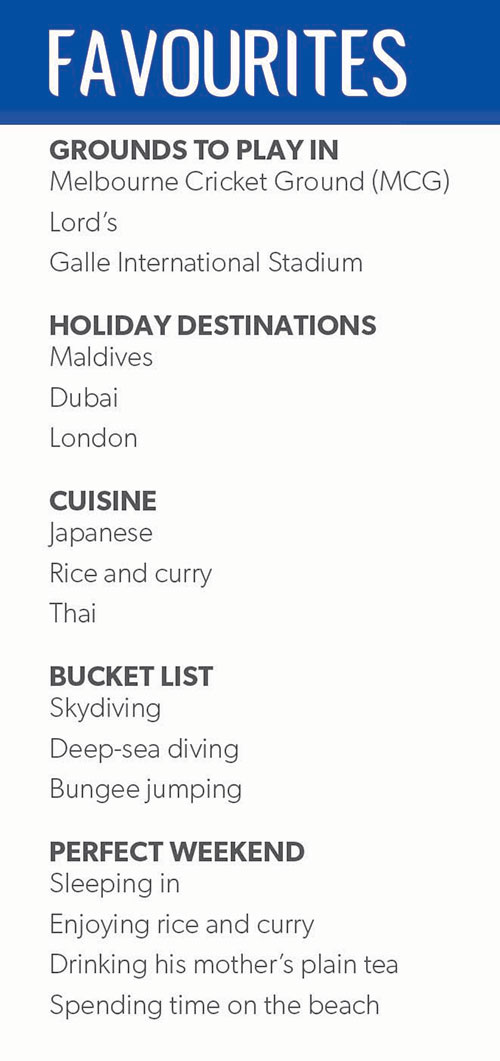
A: Sleeping in, waking up late, spending time with the kids and heading to the beach with the family – that would be a perfect Sunday for me.
I’ve always loved the beach – I find it’s the ideal way to unwind and enjoy quality time together.
THE FUTURE
Q: Where do you see Sri Lankan cricket heading in the next five years in both the red and white ball versions of the game?
A: Sri Lankan cricket is in great hands. Coach Sanath Jayasuriya along with the chairman of selectors and the selection committee are doing tremendous work. Everyone is on the same page and working towards the same goal of doing what’s best for the national team.
Looking ahead to the next five years, I’m confident about our prospects.
In the recent World Test Championship and World Cups, we came close to reaching the finals. Though we fell slightly short, our performance to reach that stage was impressive.
We certainly have a bright future across all three formats. With a talented and committed group of players who continue to show up and give their best, I’m confident that Sri Lankan cricket is on the right path to reaching the next level.
Q: How important it is to you to mentor younger players in the national squad? And what challenges, if any, do you face in doing so?
A: As a senior player, I consider it my duty to nurture younger players by sharing the experience I’ve gained over 17 years in international cricket. Passing on that knowledge is important as it helps them understand how to handle different situations more effectively.
When you’ve been through certain moments yourself, you know what needs to be done – and sharing those insights can make a real difference. From a technical standpoint, if someone is struggling, it’s important to guide that player in the right direction. Ultimately, in whatever helps them improve, I’m always willing to support them on their journey.
Q: How do you rate Sri Lanka’s chances of winning a third World Cup or World Test Championship in the next ICC cycle?
A: There’s a strong chance that Sri Lanka will win either the next World Test Championship or the 2026 Men’s T20 World Cup.
The conditions are likely to be favourable, the team is shaping up well and we definitely have what it takes to go all the way.